
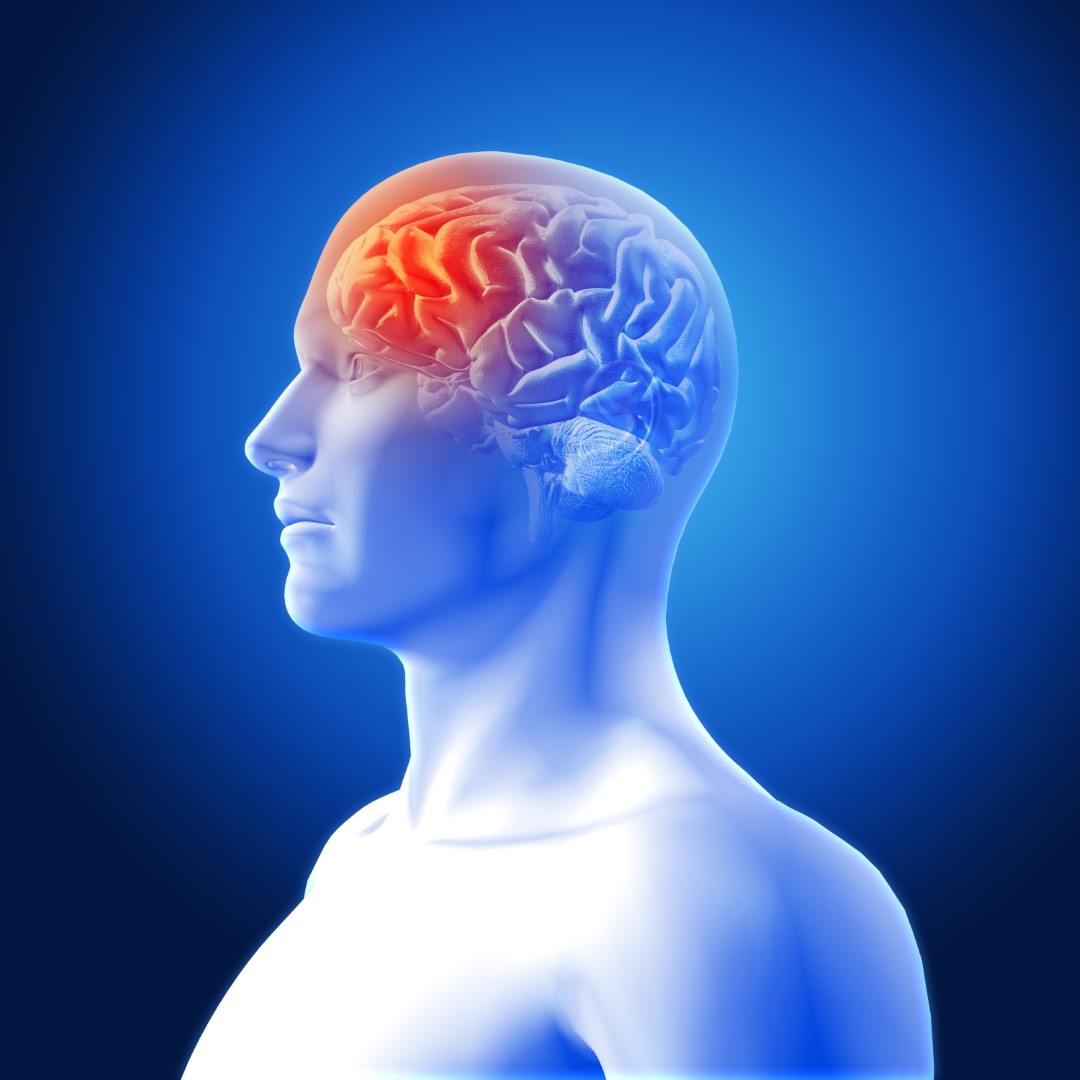
What is a Brain Stroke?
A brain stroke (also called a stroke) happens when the blood supply to a part of the brain is suddenly interrupted. This stops oxygen and nutrients from reaching brain cells, causing them to die. There are two main types:
Ischemic Stroke – due to a blocked blood vessel (most common).
Hemorrhagic Stroke – due to a burst blood vessel (bleeding in the brain).
If not treated quickly, a stroke can cause lasting damage to the brain, affecting speech, movement, and memory.
Symptoms
What the person may feel – often occur suddenly, and may include:
- Numbness or weakness in the face, arm, or leg – especially on one side of the body
- Sudden confusion, trouble speaking or understanding
- Blurred or lost vision in one or both eyes
- Dizziness, loss of balance or coordination
- Sudden severe headache with no known cause (more common in hemorrhagic stroke)
Signs
What others may observe
- Drooping face on one side when the person tries to smile
- Slurred or unclear speech
- Arm drift – one arm may fall down when both arms are raised
- Unsteady walking or falling
- The person may be unable to respond properly to questions or commands
A simple test: FAST
Face – Ask to smile: one side droops?
Arm – Raise both arms: one drifts down?
Speech – Slurred or strange?
Time – Call emergency services immediately
Management of Brain Stroke
Investigations (Tests done to confirm stroke)
CT scan of the brain – to check if it’s a blockage or bleeding
MRI scan – for detailed brain imaging
Blood tests – to check sugar, cholesterol, clotting, etc.
ECG or EKG – to check for heart problems
Carotid Doppler – to check for blocked neck arteries
Echocardiogram – to look for clots or heart issues
Emergency Management
Time is very important – "Time is Brain."
Ischemic Stroke (blocked vessel):
Clot-busting medicine (tPA) – must be given within 4.5 hours of symptom start
Mechanical thrombectomy – removing the clot using a special device
Hemorrhagic Stroke (bleeding):
Control blood pressure and bleeding
Sometimes surgery is needed to stop bleeding or relieve pressure
Always:
Monitor vitals (BP, oxygen, sugar)
Ensure the airway is clear and the person can breathe
Shift to stroke unit or ICU if needed
Rehabilitation and Palliative care in Brain Stroke
Recovery begins soon after the stroke. The goal is to regain lost abilities and adapt to any changes. Includes:
Rehabilitation is the process of restoring or improving a person’s physical, mental, or social functioning after an injury, illness, disability, or other condition that has impaired their abilities. It aims to help individuals regain their independence, participate in daily activities, and improve their overall quality of life.
– to improve movement and strength, balance, sensations, coordination, hand control,
– for talking and Language problems after certain strokes. – for swallowing problems which can be found in many types of brain strokes.
– to relearn daily tasks like eating, washing hands, using the spoon, picking up glass of water, folding and wearing clothes and so on. Sometimes, these activities are done under physiotherapy.
– for emotional support. Psycho-social support is also needed. After a stroke, the patient and also the family members can go through anxiety, depression and even grief.
Neuro-palliative care is a specialized field focused on improving the quality of life for individuals and their families dealing with serious neurological conditions. It provides support at any stage of a neurological illness, aiming to relieve suffering, manage symptoms, and enhance overall well-being.
Neuro-palliative care is a relatively new subspecialty that combines neurology and palliative care principles. It’s not just about managing symptoms; it’s about optimizing a patient’s quality of life throughout their illness.
It addresses not only physical symptoms but also emotional, social, and spiritual needs.
Addressing pain, fatigue, sleep disturbances, constipation, decreased appetite and other physical symptoms.
Pain and symptom management (headache, stiffness, breathlessness)
Feeding support (soft food, feeding tube if needed)
Bed sore prevention
Support for emotions, fear, and confusion
Spiritual care (if desired by patient/family)
Planning for future care and decisions
Frequently Asked Questions
Caregivers are the backbone of palliative care. Their role includes:
Helping with bathing, feeding, and dressing
Giving medications on time
Watching for changes in symptoms or discomfort
Communicating with doctors and attending follow-ups
Providing emotional support and companionship
Taking care of their own mental and physical health to avoid burnout
Self-Management (If the patient is conscious and able)
If the stroke survivor is alert and partly functional:
Do light exercises or stretches as advised
Follow a daily routine (eating, resting, therapy)
Use speech boards or gestures to communicate
Practice mindfulness, prayer, or relaxing music to reduce stress
Ask for help and express needs clearly
While stroke itself isn’t directly inherited like a gene, a family history of stroke, heart disease, high blood pressure, or diabetes can increase your risk.29 Genetic factors can influence blood clotting, blood vessel structure, and how your body handles risk factors, making you more predisposed. It’s crucial to be aware of your family history and discuss it with your doctor.
Absolutely, yes! Lifestyle changes are incredibly powerful in stroke prevention, often more so than genetics for many individuals. Managing blood pressure, cholesterol, and diabetes; quitting smoking; adopting a healthy diet; exercising regularly; and maintaining a healthy weight can drastically reduce your risk. These changes address the underlying conditions that lead to most strokes.
Palliative care is helpful for stroke patients who:
Have severe brain damage with low chance of full recovery
Cannot speak, move, or eat properly
Have long-term disabilities and need full-time care
Experience pain, anxiety, or emotional distress
Are nearing the end of life
Whose families feel overwhelmed with care responsibilities
Reduces suffering from pain, anxiety, and physical discomfort
Provides emotional support to both the patient and family
Helps in making important decisions calmly and clearly
Respects the person’s dignity and choices
Improves quality of life, even if recovery is not possible
Prevents unnecessary hospital visits
Offers support to caregivers through training and counseling
The term “golden hour” (or more accurately, “golden few hours”) refers to the critical time window immediately following the onset of stroke symptoms, typically 4.5 hours for an ischemic stroke. During this period, clot-busting medications like tPA (tissue plasminogen activator) are most effective at dissolving the clot and restoring blood flow, thereby minimizing brain damage. For some patients with large vessel blockages, mechanical thrombectomy can be effective up to 24 hours, but earlier is always better.