
Neurologic Rehabilitation

What is neurological rehabilitation?
Neurological rehabilitation is a specialized form of therapy designed to help individuals recover from neurological injuries or illnesses, such as stroke, brain injury, spinal cord injury, or multiple sclerosis. It focuses on restoring function, improving quality of life, and promoting independence.
- Rehabilitation professionals typically have specialized training and experience in neurological rehabilitation.
- They may have certifications in specific areas of rehabilitation, such as physical therapy, occupational therapy, or speech-language pathology.
Did you know?
Neurorehabilitation begins in the brain, not just the body. It uses the brain’s natural ability to reorganize and form new connections—called neuroplasticity.
Did you know?
Early rehab = better recovery. Starting rehabilitation within 24–48 hours after a stroke can improve long-term outcomes significantly.
Did you know?
Multidisciplinary teams are key. Neurorehab involves not just physiotherapy, but also speech therapy, occupational therapy, psychology, and nursing.
How long does neurological rehabilitation last?
- The duration of rehabilitation varies greatly depending on the severity of the injury or illness and the individual’s recovery rate.
- Some individuals may experience significant improvements within a few months, while others may require years of therapy.
Benefits of neurological rehabilitation?
- Improved physical function (strength, mobility, balance)
- Enhanced cognitive skills (memory, attention, problem-solving)
- Increased independence in daily activities
- Improved quality of life
- Reduced pain and fatigue
- Better emotional well-being
Did you know?
Even passive movement helps. Moving a weak limb with assistance can help “wake up” brain pathways and promote recovery.
Did you know?
Cognitive rehab is part of neurorehab. Rehab is not just physical. Along with movements, thinking, memory, attention and mood are also retrained.
Did you know?
Posture training reduces complications. Proper positioning can prevent joint stiffness, pressure sores, and respiratory issues.
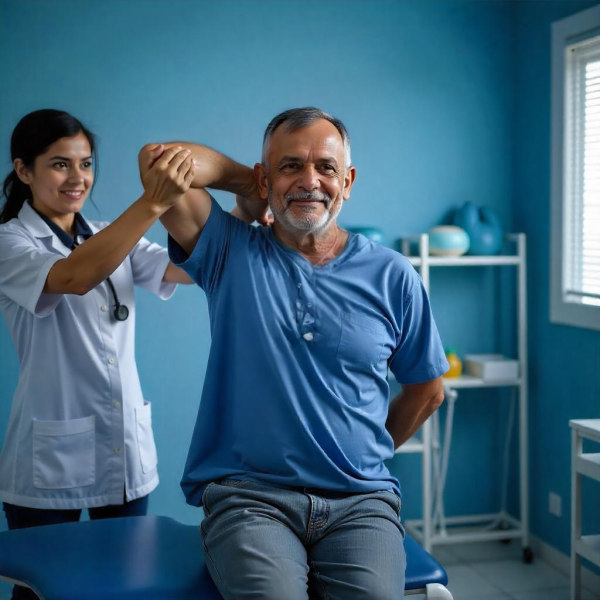
Neurorehabilitation: a multidiciplinary team approach
Every session is personalised. No two neurophysio plans are alike—they’re tailored to each patient’s brain, body, and goals.
What are the different techniques used in neurological rehabilitation?
Techniques vary depending on the individual’s needs and may include:
- Gait training: Improving walking and balance.
- Balance exercises: Improving stability and preventing falls.
- Strength and endurance training: Building muscle strength and stamina.
- Cognitive exercises: Improving memory, attention, and problem-solving skills.
Assistive devices: Using wheelchairs, walkers, or other devices to aid mobility. Training is needed for the use of assistive devices.
Devices to help daily activities while
- eating : such as differently shaped spoons
- writing: such as pens or pencils with special grips
- getting up or lying down: special levers and pulleys near the bed.
Lifestyle changes are recommended.
Changes on home front with assistive aids, ramps, wall handle bars, floor mats etc. also may be needed to assist mobility and to simplify activities of daily living (ADL).
FAQs
Rehabilitation is the process of restoring or improving a person’s physical, mental, or social functioning after an injury, illness, disability, or other condition that has impaired their abilities. It aims to help individuals regain their independence, participate in daily activities, and improve their overall quality of life.
You can expect a personalized treatment plan tailored to your specific needs and goals.
The rehabilitation team will work with you to set realistic goals and track your progress.
You will likely participate in various exercises and activities designed to improve your physical, cognitive, and functional abilities.
- Rehabilitation professionals typically have specialized training and experience in neurological rehabilitation.
- They may have certifications in specific areas of rehabilitation, such as physical therapy, occupational therapy, or speech-language pathology.
Yes, counselling plays a key role in rehabilitation.
It helps patients cope with emotional challenges, adjust to life changes, stay motivated, and build resilience—supporting overall recovery and well-being.
Family and caregivers play a vital role in the rehabilitation process.
They can provide support, encouragement, and assistance with daily tasks.
They may also participate in therapy sessions and learn how to help the individual at home.
- If you have experienced a neurological injury or illness that has impacted your physical, cognitive, or functional abilities, neurological rehabilitation may be beneficial.
- Consult with your doctor or a rehabilitation specialist to determine if neurological rehabilitation is appropriate for you.
Stroke, Brain injury, Spinal cord injury, Multiple sclerosis, Parkinson’s disease, and Cerebral palsy.
- Neurological rehabilitation often involves a multidisciplinary team, including physical therapists, occupational therapists, speech-language pathologists, and neurologists.
- Physical therapy: focuses on movement, balance, and coordination.
- Occupational therapy: addresses activities of daily living (ADLs) like dressing, eating, and grooming.
- Speech-language therapy: helps with communication, swallowing, and cognitive skills.
- Cognitive therapy: may focus on memory, attention, and problem-solving.
Pain and symptom management (headache, stiffness, breathlessness)
Feeding support (soft food, feeding tube if needed)
Bed sore prevention
Support for emotions, fear, and confusion
Spiritual care (if desired by patient/family)
Planning for future care and decisions