
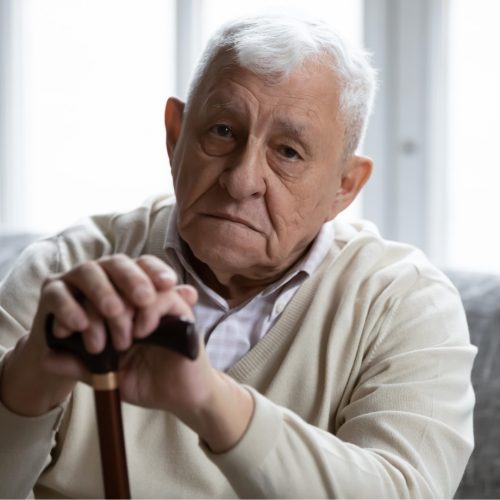
What is a Dementia?
Dementia is not one single disease. It is a group of conditions that slowly damage the brain and affect a person’s memory, thinking, behavior, and ability to do daily activities.
It mostly affects older adults, and the most common type is Alzheimer’s disease. Other types are: Fronto-Temporal Dementia, Lewy Body Disease, Vascular Dementia, Mixed Dementia.
Dementia gets worse over time, but with support and care, people can still live meaningful to comfortable lives.
Symptoms
What the person may feel or what family members and people around them will observe:
Forgets things often, like names or recent events
Gets confused easily (may forget the date, place, or what they were doing)
Difficulty in finding words while speaking
Trouble handling money or daily tasks
Mood changes – may feel angry, sad, scared, or suspicious
Poor judgment (e.g., wearing winter clothes in summer)
Repeating the same question or story again and again
- Difficulty in performing previously known actions or processes like cooking, wearing clothes etc.
- Difficulty in remembering regular routes, getting lost.
Signs
What others may observe
Repeating things or forgetting conversations
Asking the same question many times
Getting lost in familiar places
Difficulty following simple instructions
Trouble with dressing, eating, or hygiene
Sudden changes in personality or behavior
May wander aimlessly or forget to eat
- Certain lobe specific signs
- Hallucinations, changes in thinking
Investigations (Tests to check for dementia)
There is no single test for dementia. Doctors use many tools to understand the condition:
Detailed history from family about memory and behavior changes
Cognitive tests – to check memory, attention, and problem-solving
MRI or CT scan – to see brain structure or rule out stroke, tumor, etc.
Blood tests – to check for vitamin deficiency, thyroid problems, infections; rarely for autoimmune disorders.
Mental health assessment – to rule out depression or anxiety
Managing Dementia
Emergencies that can occur :
Dementia usually progresses slowly and is not an emergency, but some situations need urgent care:
Sudden confusion or aggression
Wandering and getting lost
Falling or injuries
Not eating or drinking for a long time
Sudden worsening of symptoms due to infection, dehydration, or medicine side effects
Emergency steps:
Keep the person safe and calm
Take them to a doctor or emergency room
Identify and treat the underlying cause (e.g., infection, low sugar, medication problem)
Regular Care
- Medications to enhance memory are given in certain types of dementia
- Medications to manage behaviour
- Medications to reduce hallucinations
- Managing sleep with medicines or lifestyle changes
Rehabilitation
There is no cure for dementia, but rehabilitation helps improve quality of life.
Cognitive stimulation – simple games, puzzles, music, and memory tasks
Occupational therapy – to help with dressing, bathing, and eating
Speech therapy – if speaking or swallowing is difficult
Behavioral therapy – to manage aggression, fear, or confusion
Caregiver training – helps family support the person better
Creating a safe and structured routine at home
Secondary Prevention (Preventing worsening or future damage)
We cannot fully prevent dementia, but we can slow it down and improve brain health.
Take prescribed medicines like donepezil or memantine (only if advised by doctor)
Manage other health issues – blood pressure, diabetes, heart problems
Eat brain-healthy food – fruits, vegetables, nuts, less sugar and salt
Stay mentally active – reading, talking, simple hobbies
Regular exercise and good sleep
Avoid alcohol, smoking, and unnecessary medicines
Safety at home – no loose wires, sharp edges, or slippery floors
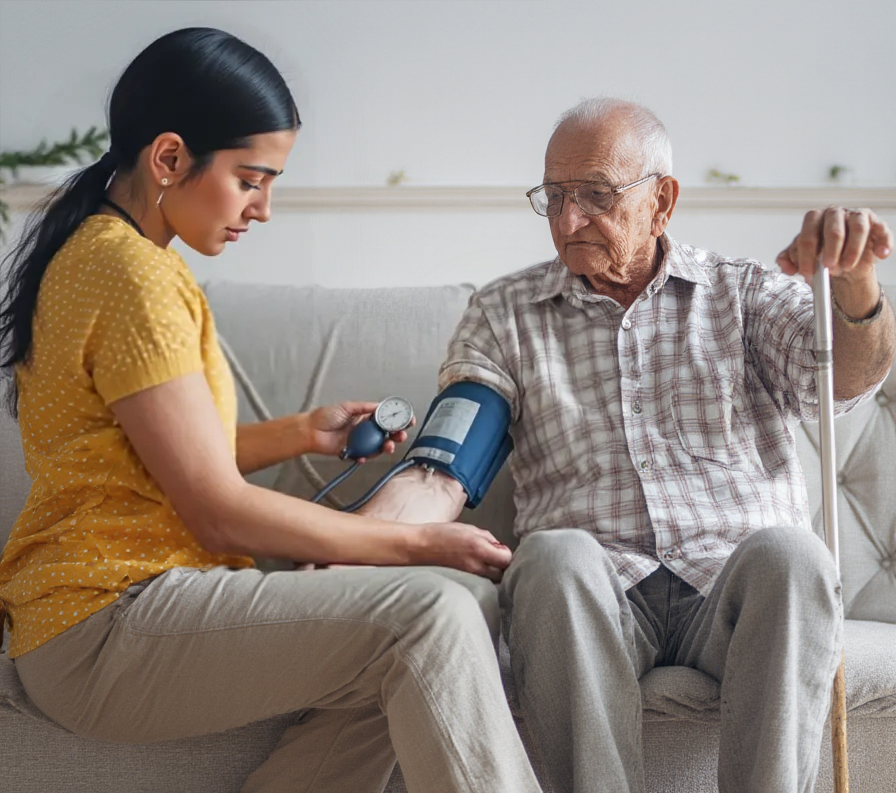
Care Giver Health, burn out and support
Care givers are people living with and caring for the patient. their health
Care Givers Health
Should be looked after
- ‘Me time’ recommended for care-givers.
- Should undergo regular check ups for their own health.
Care Giver Burn out
is a real thing
can disturb the balance of patient care
- should be detected in time
Support:
access support groups
- ask for help from right source at the right time in the right way
FAQs
Rehabilitation is the process of restoring or improving a person’s physical, mental, or social functioning after an injury, illness, disability, or other condition that has impaired their abilities. It aims to help individuals regain their independence, participate in daily activities, and improve their overall quality of life.
– to improve movement and strength, balance, sensations, coordination, hand control,
– for talking and Language problems after certain strokes. – for swallowing problems which can be found in many types of brain strokes.
– to relearn daily tasks like eating, washing hands, using the spoon, picking up glass of water, folding and wearing clothes and so on. Sometimes, these activities are done under physiotherapy.
– for emotional support. Psycho-social support is also needed. After a stroke, the patient and also the family members can go through anxiety, depression and even grief.
Neuro-palliative care is a specialized field focused on improving the quality of life for individuals and their families dealing with serious neurological conditions. It provides support at any stage of a neurological illness, aiming to relieve suffering, manage symptoms, and enhance overall well-being.
Neuro-palliative care is a relatively new subspecialty that combines neurology and palliative care principles. It’s not just about managing symptoms; it’s about optimizing a patient’s quality of life throughout their illness.
It addresses not only physical symptoms but also emotional, social, and spiritual needs.
Addressing pain, fatigue, sleep disturbances, constipation, decreased appetite and other physical symptoms.
Pain and symptom management (headache, stiffness, breathlessness)
Feeding support (soft food, feeding tube if needed)
Bed sore prevention
Support for emotions, fear, and confusion
Spiritual care (if desired by patient/family)
Planning for future care and decisions