
Neurology
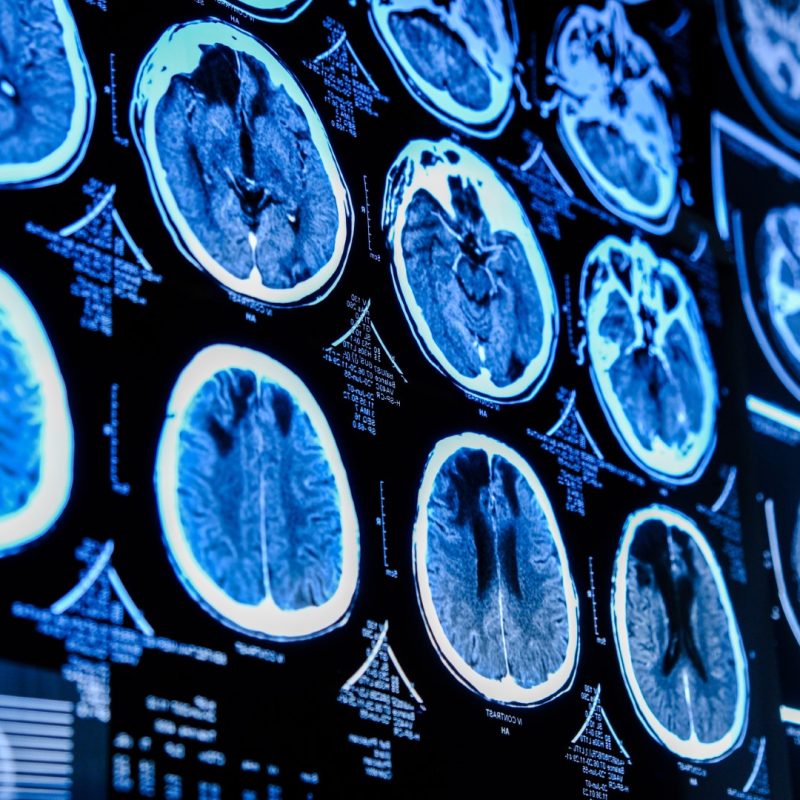
Diagnosis & Care for Nervous System Disorders
Our Neurology Department offers specialized and comprehensive care for disorders affecting the brain, spinal cord, nerves, and muscles.
We provide both outpatient and inpatient services, ensuring personalized evaluation, accurate diagnosis, and evidence-based treatment for a wide range of neurological conditions.
Outpatient Neurology Services
Ideal for individuals with chronic, progressive, or newly emerging neurological symptoms.
Outpatient Services Include:
- Detailed neurological evaluations
- Follow-up care for stroke, epilepsy, Parkinson’s, and MS
- Headache and migraine clinics
- Memory and cognitive assessments
- Electrophysiological tests (EEG, EMG, NCV)
- Rehabilitation and Palliative care
- Family counselling and support
Patient and caregiver education
Inpatient Neurology Services
Designed for patients needing continuous monitoring, advanced investigations, or urgent neurological care.
Key Features:
- Neurologist consultation and support
- Acute stroke management and thrombolysis
- Inpatient care for seizures, neurological emergencies, and neuroinfections
- Neuro-monitoring and diagnostic imaging
- Multidisciplinary rehabilitation support (physiotherapy, speech therapy, etc.)
- Pre- and post-surgical neurological assessments
Our team
Our neurologists work closely with neurophysiotherapists, neuropsychologists, speech-language pathologists, and other specialists to deliver holistic, patient-centered care.
Neurological conditions
Intermittent conditions: Epilepsy, Headache, Migraine, Vertigo, Insomnia
Chronic Progressive conditions: Chronic Headache, Chronic Insomnia, PPPD, Parkinson’s Disease, different types of Dementia, Multiple Sclerosis and other demyelinating disorders, Ataxia, MND, Neuropathy, Myopathy
Acute conditions: Brain Stroke, Severe Headache, Migraine, Acute Vertigo, Convulsions / Seizures, GBS, Myesthenia emergencies.
Whether you’re managing a long-term neurological condition or facing a sudden issue, our neurology team is here to guide you toward better brain and nerve health.

What is Neurology?
Neurology is a medical specialty focused on diagnosing and treating disorders of the brain, spinal cord, nerves, and muscles. It deals with conditions that affect the nervous system—whether sudden, progressive, or chronic.
Common Neurological Problems
- Stroke or Transient Ischemic Attack
- Epilepsy and seizures
- Parkinson’s disease and other movement disorders
- Headaches and migraines
- Multiple sclerosis
- Neuropathy and nerve disorders
- Dementia and memory disorders
- Brain and spinal cord injuries
- Muscle disorders (e.g., myopathy)
Common Symptoms :
- Persistent or severe headaches
- Dizziness or loss of balance
- Numbness, tingling
- Weakness in limbs
- Memory loss or confusion
- Seizures or blackouts
- Slurred speech or difficulty swallowing
- Tremors or involuntary movements
- Vision or hearing changes
- Difficulty walking or poor coordination
Neurologists are trained to detect and treat complex disorders of the nervous system. Early evaluation can lead to accurate diagnosis and better management of neurological conditions.
FAQs
You should consider seeing a consultant neurologist if you experience unexplained symptoms related to movement, sensation, balance, or cognition. Referral is often needed when symptoms suggest a possible neurological condition or when diagnosis or management requires expert evaluation.
The duration of your treatment depends on the diagnosis. Intermittent conditions like Headache / Migraine may need short term treatment ranging from weeks to months. Chronic progressive ailments need continuous monitoring and titration of medications. Some conditions like BPPV may have just a short term treatment schedule.
Functional Neurological Disorders (FND) are conditions where patients experience neurological symptoms—such as weakness, tremors, seizures, or movement difficulties—that are real and distressing but not caused by structural damage in the brain or nerves.
They result from a disruption in how the brain functions, not from disease or injury, and often involve a disconnect between brain signals and body responses. FND is treatable, especially with early diagnosis and a multidisciplinary approach including neurology, psychiatry, physiotherapy, and psychological therapy.
No, most headaches are not dangerous.
They are often caused by stress, tension, dehydration, or lack of sleep. However, sudden, severe, or persistent headaches—especially with other symptoms like vision changes, confusion, or weakness—should be evaluated by a doctor.
No, brain stroke is not always hereditary.
While family history can increase risk, most strokes result from lifestyle factors like high blood pressure, diabetes, smoking, or poor diet.
Healthy lifestyle changes for migraine include regular sleep, balanced meals, staying hydrated, managing stress, exercising moderately, and avoiding known triggers like certain foods, lights, or strong smells.
ADLs (Activities of Daily Living) are basic self-care tasks needed for everyday living, such as eating, bathing, dressing, toileting, walking, and grooming.
Holistic care is needed in neurology because neurological conditions affect both the body and mind. A comprehensive approach addresses physical, emotional, and cognitive needs—improving overall well-being and quality of life.
Not always. Some people with epilepsy may need lifelong treatment, but others can become seizure-free and eventually stop medication under medical supervision. It depends on the type and cause of epilepsy.
PPPD (Persistent Postural-Perceptual Dizziness) is a chronic dizziness condition where a person feels unsteady, lightheaded, or off-balance, especially when upright or in visually complex environments. It’s not due to a structural problem but a dysfunction in how the brain processes balance.